In the world of agriculture, predicting crop yields is both an art and a science. For potential land buyers and sellers in Missouri, Illinois, Iowa, and Kansas, understanding how farmers estimate their annual yields is critical because it directly affects land values. At Trophy Properties and Auction, we specialize in helping clients navigate these complexities, ensuring that you can make well-informed decisions when buying or selling agricultural land. In this post, we'll explore how farmers project yields, the key factors influencing land productivity, and how all of this plays into the real estate market for farmland.
Farmers use several precise methods to estimate yields, and these methods vary slightly depending on the crop in question. Corn and soybeans, two of the most common crops in the Midwest, follow different approaches, but both involve understanding plant population, moisture content, and the average kernel or pod size per plant.
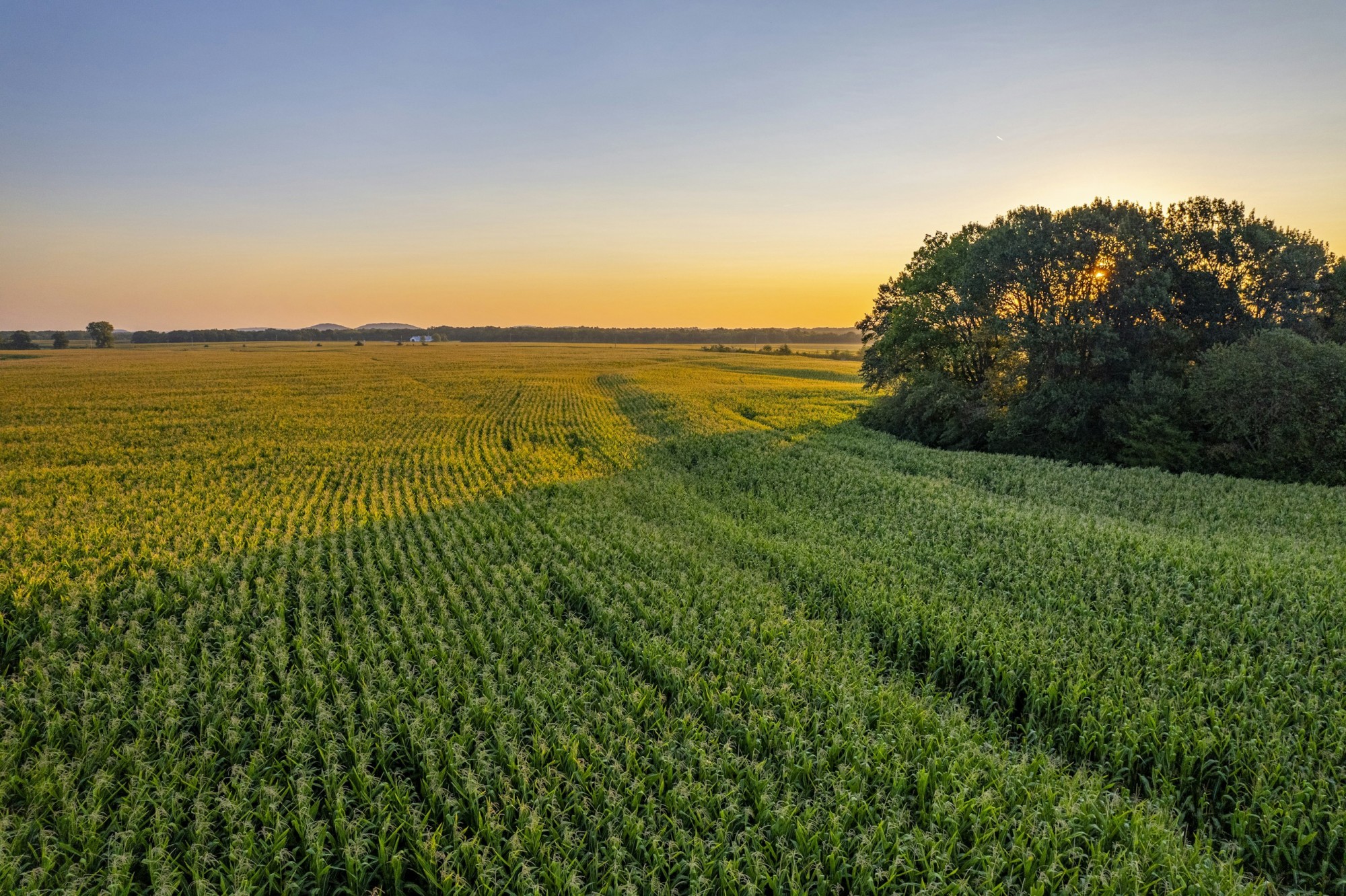
Farmers walk their fields to sample corn ears, counting kernel rows and calculating yields based on plant population per acre.
For corn, the yield estimation process often starts with understanding plant population and ear development. Farmers will usually walk through their fields, pull random samples of corn ears, and then count the rows of kernels on each ear. The kernel count helps them calculate the yield per ear, which is then multiplied by the number of ears per acre. Here's a basic formula for estimating corn yields:
Corn Yield Formula:
Yield (bushels per acre)} =(({Kernel Rows} X {Kernels Per Row}) X {Ears Per Acre})/{85,000}
• Kernel Rows: The number of rows around the ear (always an even number, typically between 12 and 20).
• Kernels Per Row: The number of kernels in a single row (often between 30 and 40).
• Ears Per Acre: The plant population (in ears per acre), typically around 28,000 to 34,000.
• 85,000 kernels: An industry standard for the number of kernels in a bushel of corn.
Example Calculation:
If you have an ear of corn with 16 rows, 35 kernels per row, and 32,000 ears per acre, your yield estimate would be:
(16 X 35 X 32,000)/(85,000) = 211
This basic formula allows farmers to get an initial idea of what their harvest may look like. However, this estimate can fluctuate based on factors like moisture content, plant health, and weather patterns leading up to harvest.
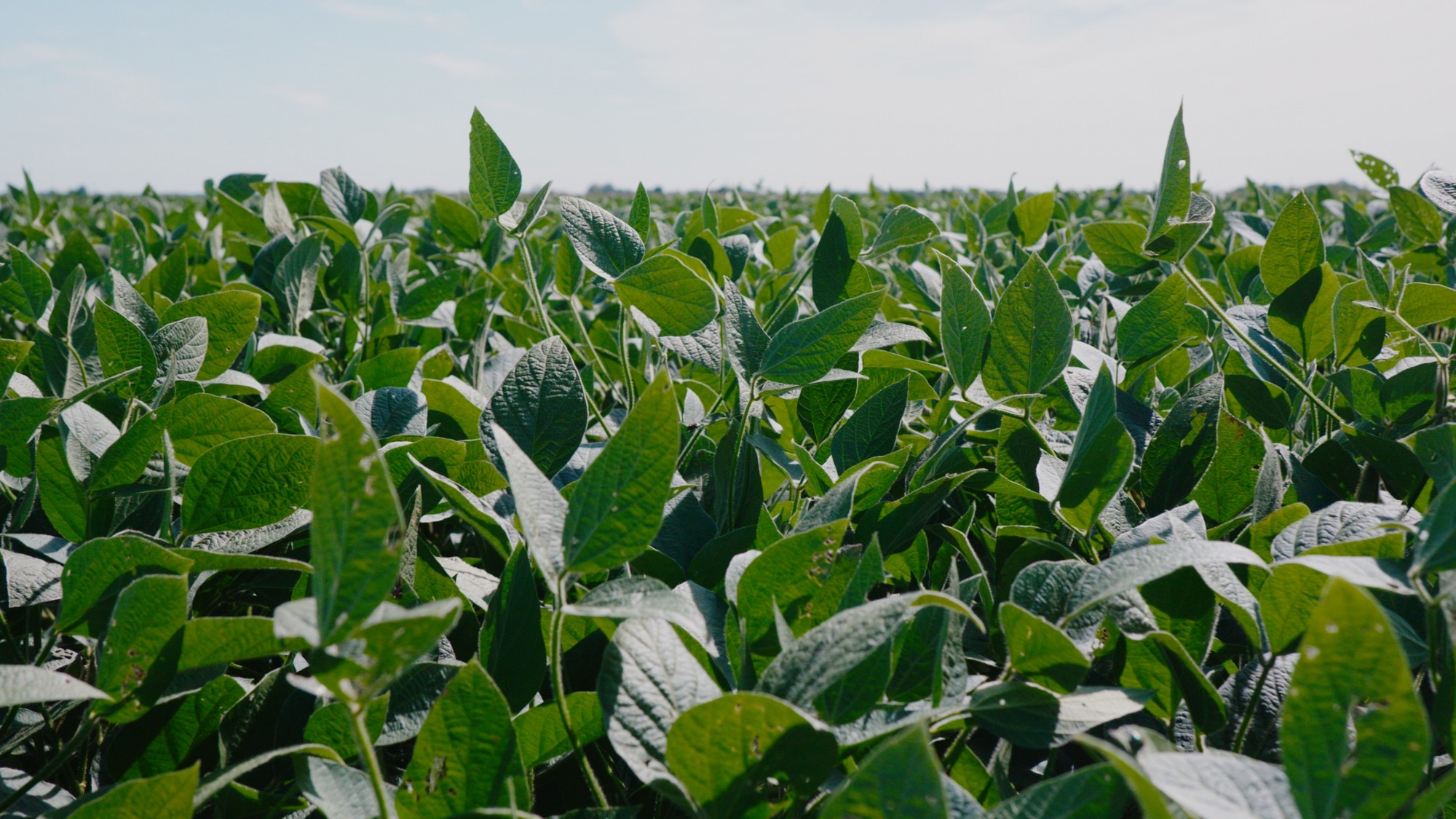
Soybean yield estimates depend on pod and seed counts per plant, with farmers considering factors like weather and plant spacing. They're not as accurate as corn estimates.
Estimating soybean yields is a bit more complex due to the variability in pod counts and seed size. Soybeans are influenced heavily by rainfall and sunlight, which can make predictions less straightforward. Farmers will sample several plants in different parts of the field, count the pods per plant, beans per pod, and the number of plants per acre. A typical formula for estimating soybean yields looks like this:
Soybean Yield Formula:
{Yield (bushels per acre)} = (({Pods per Plant} X {Beans per Pod}) X {Plants per Acre}) / {Seeds per Bushel}
• Pods per Plant: The average number of pods on each plant, often between 25 and 50 in less productive fields, or 70 to 100 in high-yield fields.
• Beans per Pod: Typically around 2.5 to 3 seeds per pod.
• Plants per Acre: The number of plants in the field, usually between 100,000 and 150,000 plants per acre.
• Beans per Bushel: There are approximately 216,000 beans in a bushel
Example Calculation:
Let's say you estimate 2.5 seeds per pod, 35 pods per plant, and 120,000 plants per acre. With 216,000 beans per bushel, the formula would look like this:
(35 X 2.5 x 120,000)/(216,000) = 48.6 { bushels per acre}
This gives farmers a ballpark figure, but the estimates of beans are much less accurate than corn due to the variability of what the plants can produce per pod.
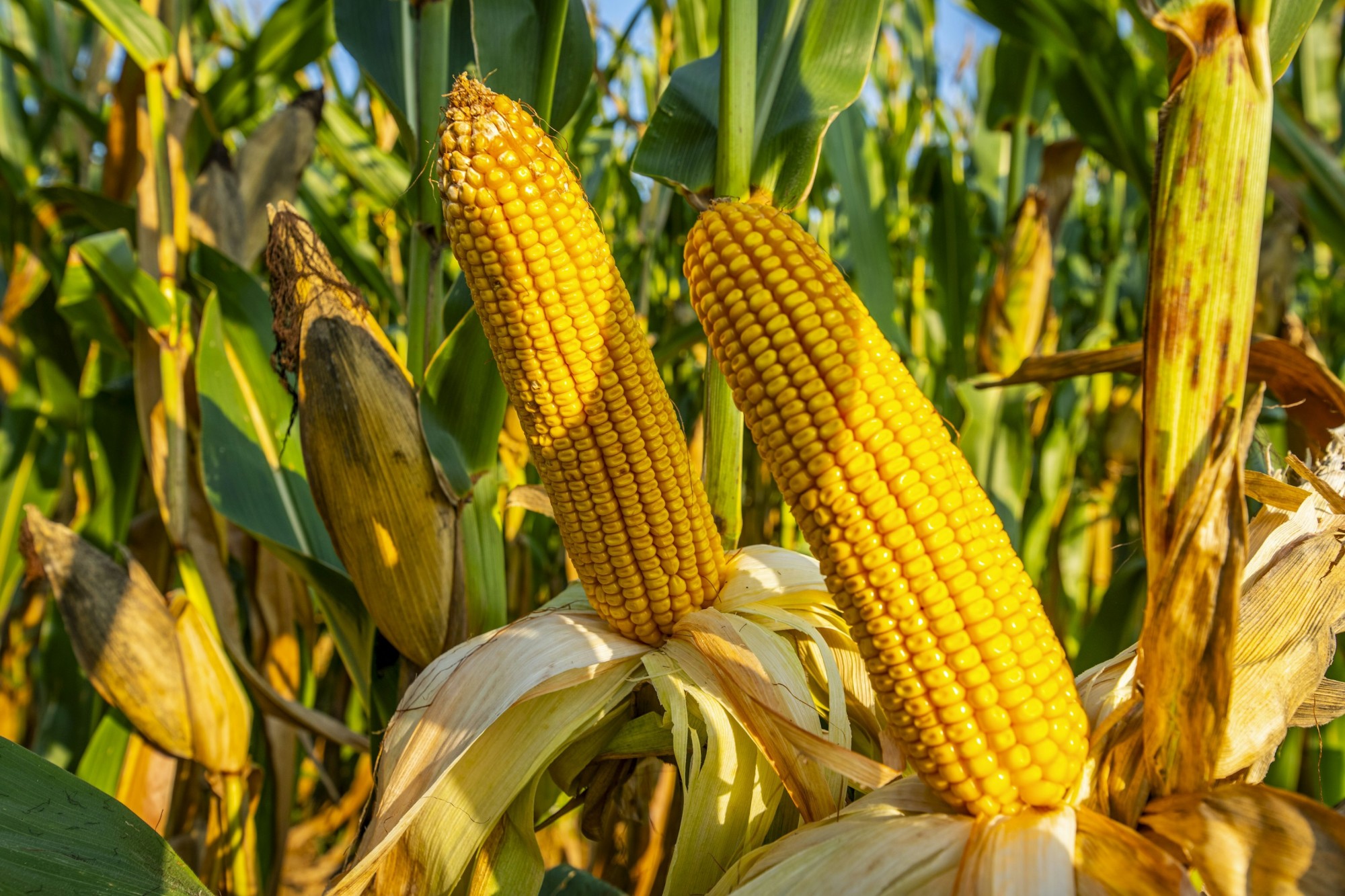
Higher projected yields directly increase the value of farmland, especially in regions with prime Class A soils.
The Relationship Between Crop Yields and Land Prices
Land prices, particularly for tillable farmland, are closely tied to the expected productivity of the land. In regions like Missouri, Illinois, Iowa, and Kansas, crop yields are one of the most significant determinants of land value. Farmers, investors, and landowners alike need to understand how this relationship works when evaluating farmland.
High yields on Class A land naturally increase its desirability and value. For example, prime farmland in Missouri can range from $10,000 to $20,000 per acre depending on factors like soil quality, historical yields, and market demand. On the other hand, Class B or C soils, which may not have the same yield potential or nutrient retention, can sell for significantly less.
This price disparity is due to the long-term investment return that high-yield land offers. As yields increase, so do the profits per acre. Investors and farmers alike are willing to pay more for land that consistently delivers high crop production because it promises a better return on investment.
In contrast, Class B or C soils, while cheaper, may require substantial investment in fertilizers and soil amendments to produce competitive yields. Even then, they may never reach the productivity levels of Class A soils. This is why we often advise potential buyers to think long-term: investing in high-quality land, while more expensive upfront, usually offers better financial returns over the years.
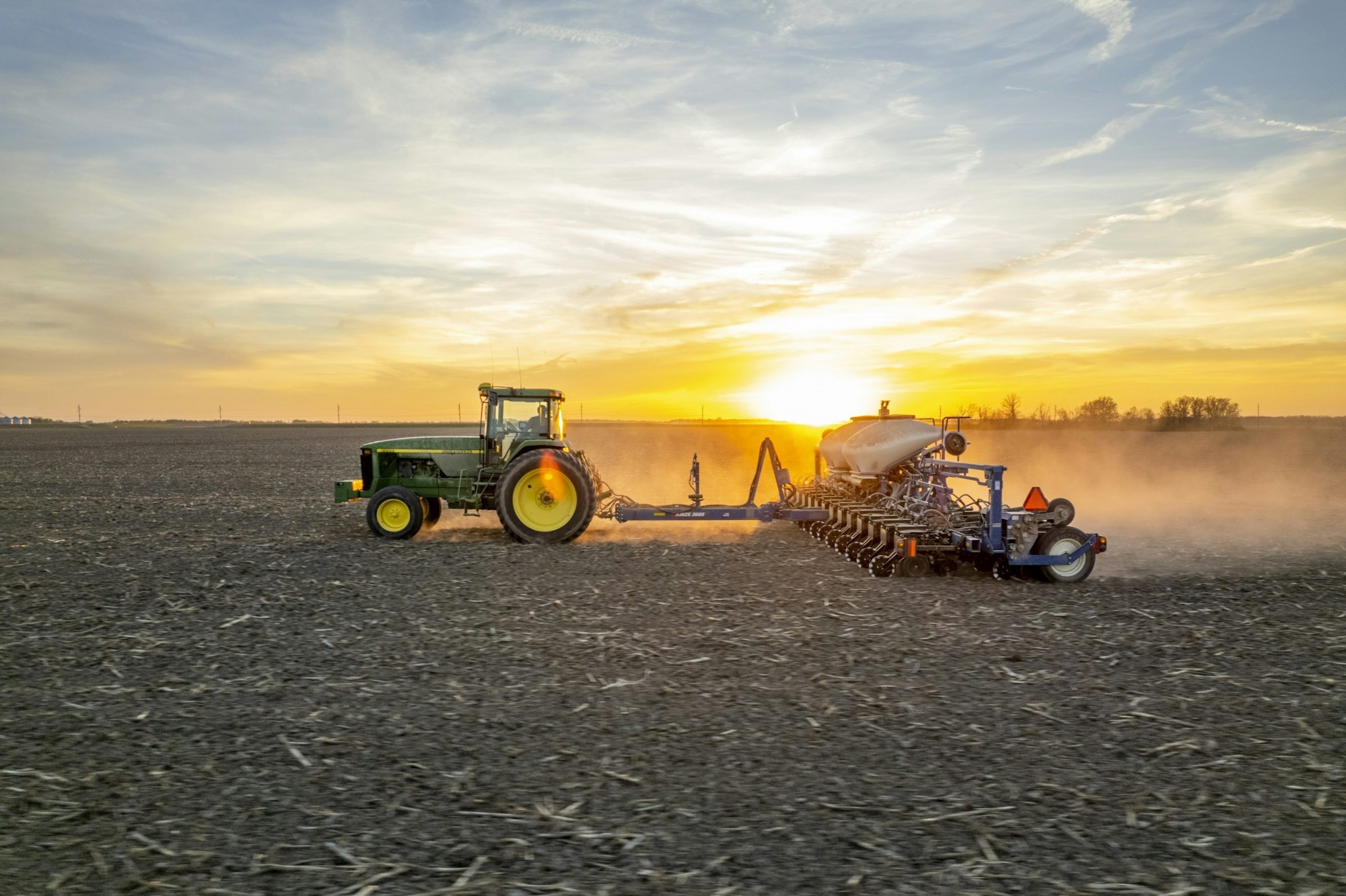
Precision farming tools, such as variable-rate fertilization and hybrid seeds, help optimize crop production on marginal land.
Soil Type and Quality
Soil quality is perhaps the most critical factor in determining both yield and land value. Class A soils, which are rich in organic matter and nutrients, can support higher yields even in less-than-ideal growing conditions. For instance, northern Missouri has Class A soils that can hold more nutrients and moisture, making them less susceptible to drought.
Class B and C soils, while still productive, require more input in terms of fertilizers and water management. Buyers looking for a better deal may find value in Class B soils but should be prepared to invest in soil improvement practices to increase productivity.
Weather Patterns
Weather plays an enormous role in yield outcomes. While farmers can control many factors, they can't control the weather. Rainfall, sunlight, and temperatures during the growing season all impact how well crops perform. In drought years, yields drop, which in turn lowers land prices, especially in areas where irrigation isn't practical or available.
For example, in 2023, parts of the Midwest experienced lower-than-average rainfall, which caused a decrease in soybean yields and affected the per-acre value of farmland. Buyers should pay attention to both historical and current weather trends when considering land investments.
Farming Technology and Practices
Advances in farming technology, such as precision planting, variable rate fertilization, and hybrid seeds, allow farmers to optimize their crop growth. These innovations help farmers get the most out of marginal lands and increase yields on higher-quality land.
Genetically modified seeds, for example, are more resistant to pests and drought, enabling farmers to maintain high yields even in challenging growing conditions. Additionally, soil testing and grid sampling allow farmers to apply nutrients more efficiently, targeting areas that need it most, which can increase productivity on lower-quality soils.
Yield History and Consistency
Consistent yields over time increase a land's value. Buyers want to invest in land that has a proven track record of high yields because it offers a more predictable return. Fields with erratic or historically low yields will struggle to command high prices unless improvements are made.
Cost of Inputs
Fertilizer, seeds, irrigation, and technology all play a role in the cost of maintaining high yields. Investors must weigh the cost of these inputs against the potential return on investment. For example, Class B soil may require significant fertilization, but with today's high input costs, it may be more economically sound to invest in high-quality land with lower input needs.
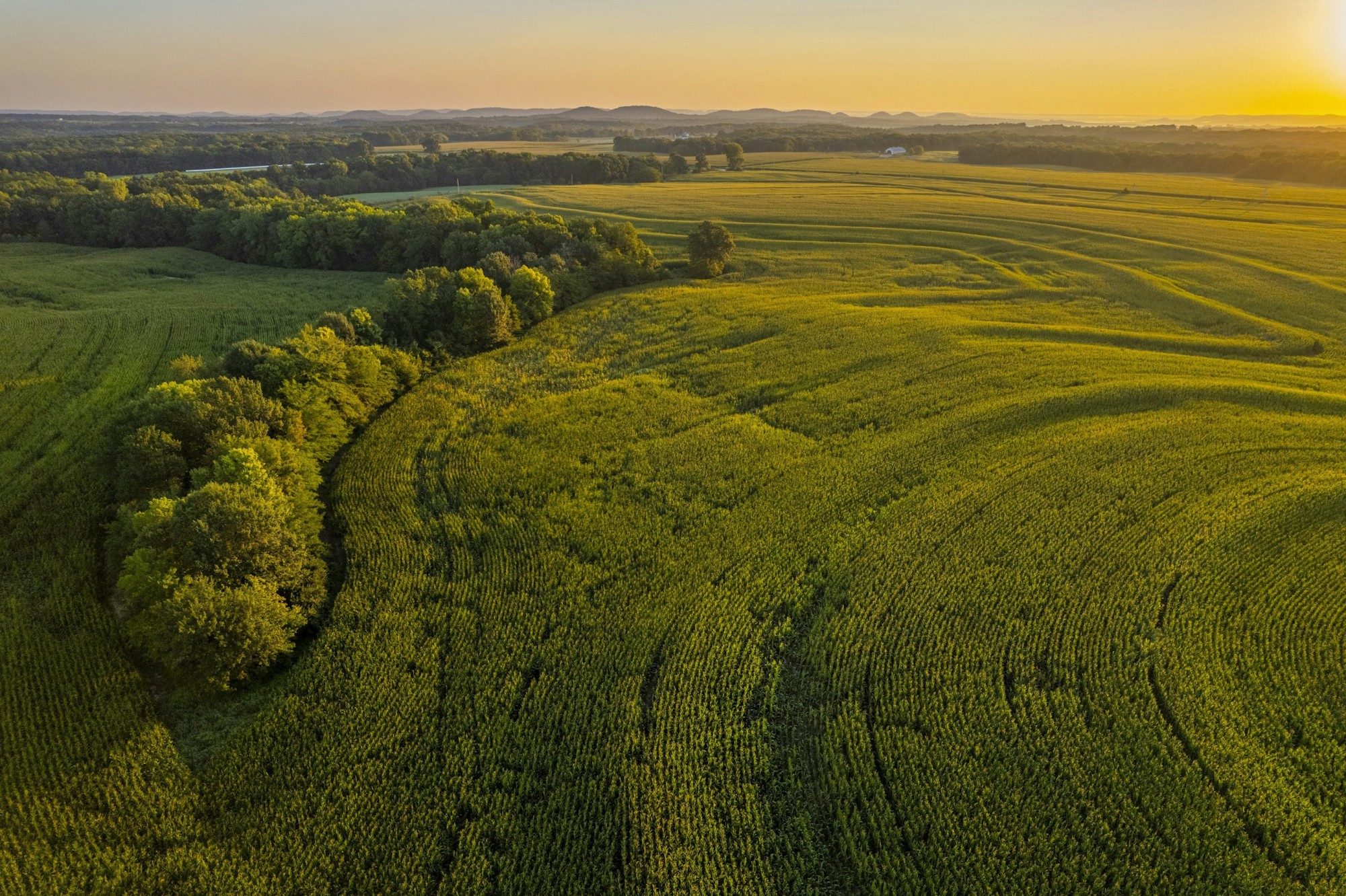
Buying farmland with a strong yield history provides a long-term investment with consistent returns.
For those looking to invest in farmland, it's important to understand how yield projections can affect land prices. Class A soils in regions like Missouri, Illinois, Iowa, and Kansas typically offer the highest return on investment, as they consistently produce high yields with relatively lower input costs.
However, even if you're considering Class B or C soils, which may come at a lower price, it's critical to factor in the additional costs of soil improvements and fertilization. These lands can still offer a strong return on investment, especially if you use the latest farming technology to maximize yields.
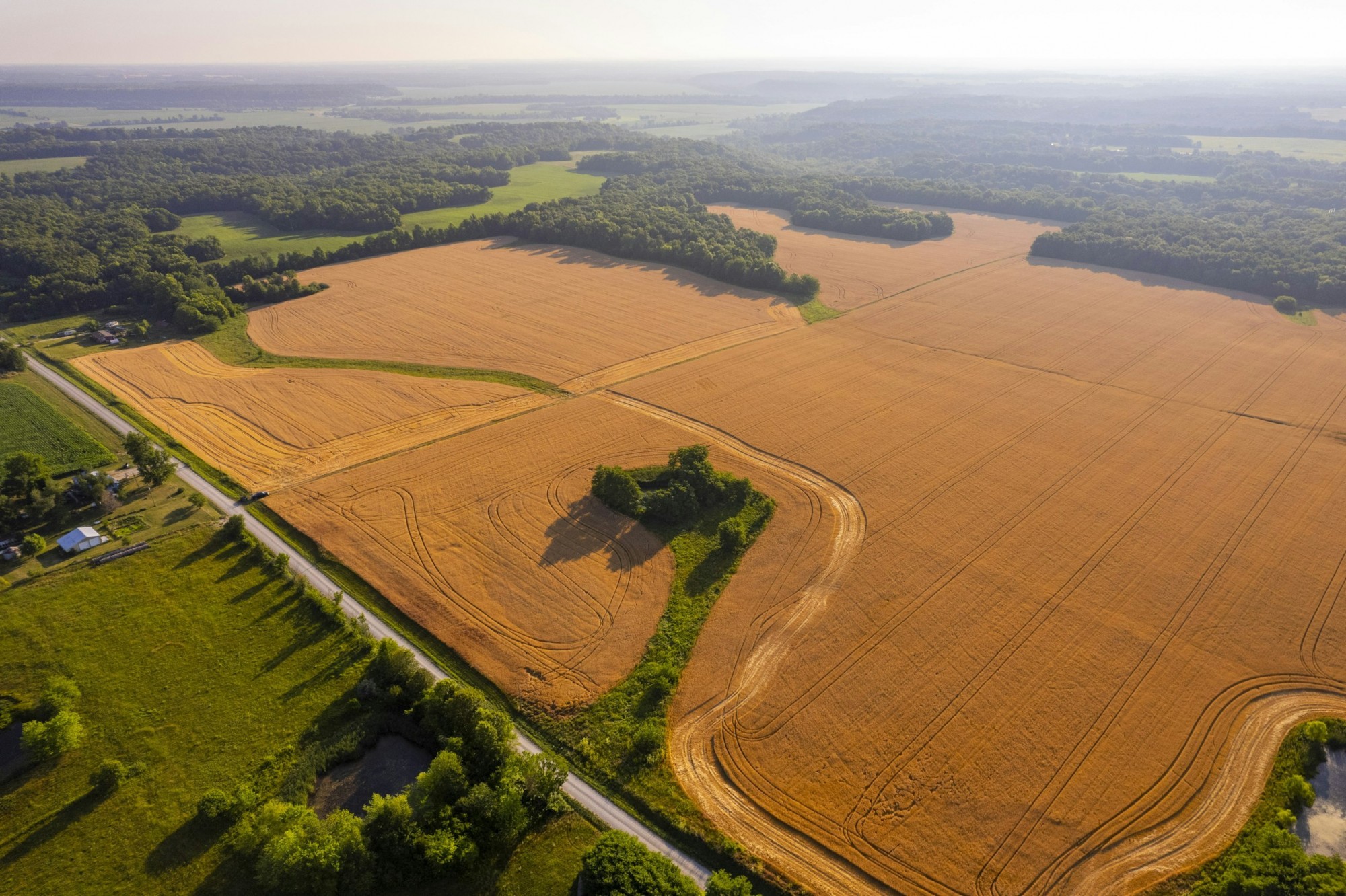
Landowners can boost their property value by showcasing soil quality, yield history, and improvements made to the land.
If you're planning to sell tillable land, understanding the factors that influence its value is crucial to getting the best possible price. As the agricultural real estate market continues to grow, sellers need to be aware of what buyers are looking for, and how they can maximize the perceived value of their property. Here are some key considerations:
Highlight the Quality of Your Soil
The most significant factor in determining the value of tillable land is soil quality. If your land has Class A soil, which offers high nutrient-holding capacity and better moisture retention, it will naturally command a higher price. Be prepared to showcase soil tests and yield history to potential buyers. If your property contains Class B or C soils, emphasizing improvements like proper fertilization, irrigation systems, or cover crops can still make the land more attractive to buyers.
Action Tip: If you are a farmer, you probably already have a soil grid sample; but if you don't, we recommend getting one done. A grid sampling test over 1 to 2-acre sections can provide a detailed report on soil health, fertility, and pH levels, giving potential buyers confidence in the land's productivity.
Provide Yield History and Data
Buyers are particularly interested in land with a proven track record of productivity. If your land has consistently produced high yields, this is an important selling point that can significantly raise its value. Be ready to share several years of yield data, along with any improvements you've made, such as soil treatments or enhanced irrigation systems.
Action Tip: Organize detailed records of your land's yield performance over the last 5-10 years. If you've used any advanced farming techniques like precision planting or variable-rate technology, highlight this as it shows the land is primed for continued high productivity.
Capitalize on Current Market Trends
Land values fluctuate based on market conditions, particularly commodity prices. For example, when corn and soybean prices are high, demand for tillable land increases, and prices per acre can soar. If you're considering selling, it's important to monitor these trends and time your sale during a favorable market.
Action Tip: Stay informed about current commodity prices and overall market conditions. If crop prices are on the rise, it could be a good time to list your land for sale.
Consider Selling at Auction
Auctions can be a great way to sell farmland quickly, while often yielding a higher price through competitive bidding. This method works particularly well for high-quality land that is expected to draw strong demand. Trophy Properties and Auction offers extensive experience in farmland auctions and can help you attract the right buyers and get the best price for your property.
Action Tip: Evaluate whether selling your land via auction might be the best strategy. If your land has desirable qualities like high yields, good soil, or a strategic location, an auction could drive up the final sale price.
Showcase the Potential for Future Returns
Buyers are not just looking at the current state of the land but also its potential for future returns. If your land is situated in an area with expected infrastructure growth, strong agricultural demand, or technological advancements in farming practices, this can be a major selling point.
Action Tip: If there are any upcoming infrastructure developments in your area, such as road expansions or new facilities that could boost local farming productivity, make sure to include this in your property listing. Future potential can often be just as enticing as current productivity.
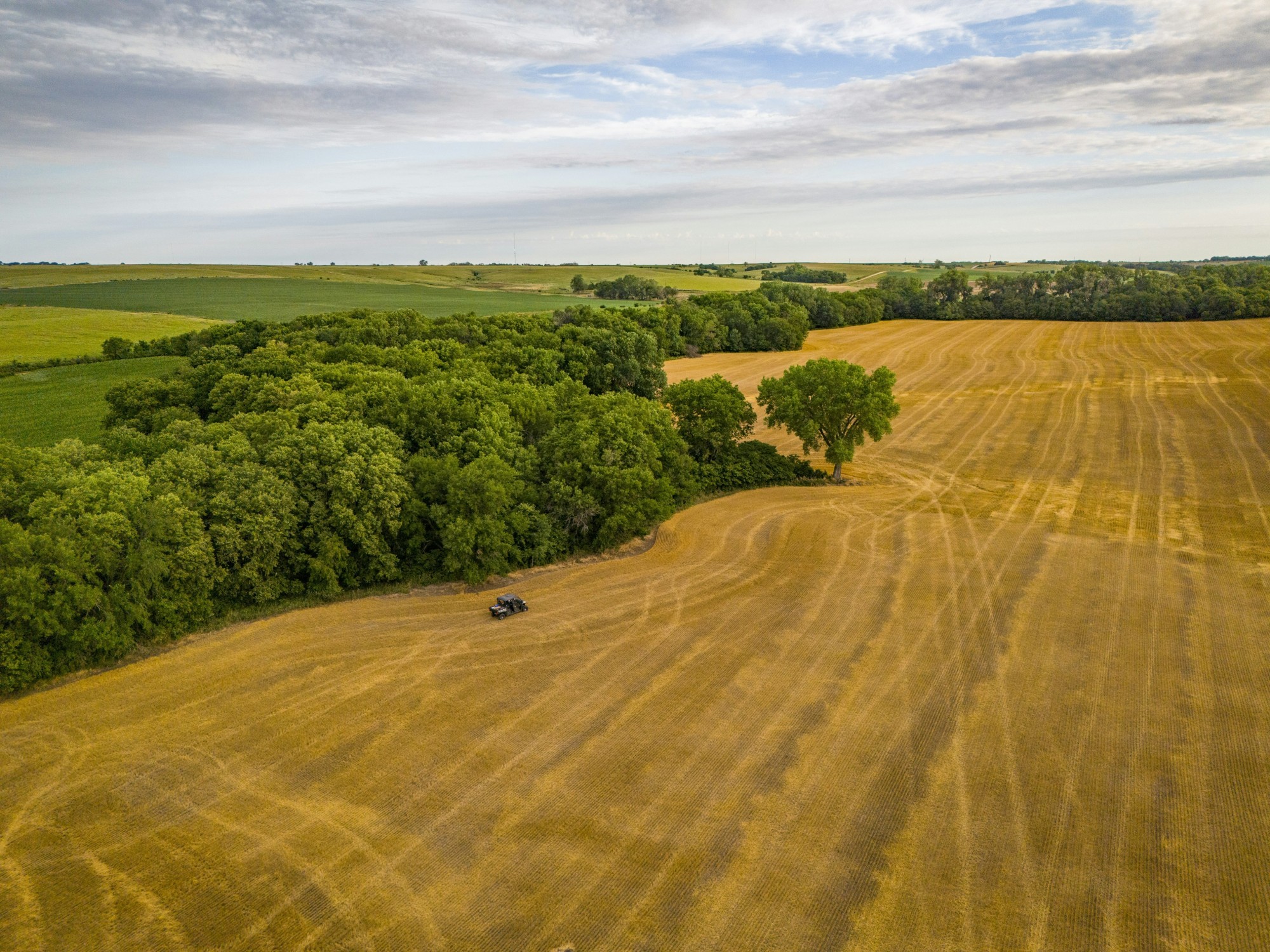
Competitive bidding at farmland auctions can help sellers maximize the price of their tillable land.
Understanding how farmers estimate crop yields and how those estimates impact land prices can help potential land buyers and sellers make informed decisions. Whether you're looking to invest in high-quality tillable land in Missouri, Illinois, Iowa, or Kansas, understanding the relationship between crop yields and land value is essential to maximizing your investment. By taking into account factors such as soil quality, weather patterns, and technological advancements in farming, you can make smarter decisions when it comes to purchasing or selling farmland.
At Trophy Properties and Auction, our expertise in agricultural real estate ensures that you have the guidance you need to navigate the complexities of the farmland market. Whether you're looking to invest in prime Class A soil or seeking opportunities with Class B or C land, we can help you evaluate the potential return on investment based on projected yields and land characteristics.
If you're considering buying or selling land, contact us today to learn how we can help you achieve your goals in the Midwest land market. Together, we can ensure your investment yields results for generations to come.



 RSS Feed